HDPE (High-Density Polyethylene) pipes have become the first choice for water supply, gas distribution, agricultural irrigation, and municipal drainage across continents. As a trusted global supplier, we’re here to break down why HDPE outperforms traditional materials—and how it can lower your project costs while boosting reliability.
· 50+ year service life (far longer than steel or concrete)
· 100% corrosion-resistant to chemicals, soil, and saltwater—no rust, no scaling, no replacement costs
· Flexible yet strong: withstands ground movement, earthquakes, and temperature swings (-40°C to 60°C)
· Leak-proof joints: heat fusion or rubber-seal connections eliminate water loss (20–30% less leakage vs. metal pipes)
· Lightweight: 1/8 the weight of concrete pipes → 60% lower transport & labor costs
· Fast installation: no heavy machinery needed; teams lay 300+ meters/day (60% faster than traditional pipes)
· Low maintenance: zero painting, zero cathodic protection, zero frequent repairs
· Total project savings: 30–40% vs. concrete/steel systems

· 100% recyclable at end of life
· Low carbon footprint in production & transport
· Food-safe & non-toxic: meets FDA, CE, REACH standards for drinking water
· Supports circular economy goals (critical for EU & North American buyers)
Sector | Key Uses | High-Demand Regions |
Municipal Water | Potable water supply, pipeline replacement | North America, Europe, Southeast Asia |
Gas Distribution | Natural gas, LPG networks | Middle East, EU, Australia |
Agriculture | Irrigation, drainage, farm water systems | Africa, South Asia, Latin America |
Mining & Industry | Slurry transport, chemical lines, mine drainage | Australia, Canada, Africa |
Civil Engineering | Stormwater, sewage, culverts, landfill systems | Global infrastructure projects |
To ensure compliance and market access, our HDPE pipes meet:
· ISO 4427 (water supply systems)
· EN 12201 (EU water/gas standards)
· ASTM F714 (US pressure-rated pipes)
· CE, FDA, REACH (health & environmental safety)
1. Full product range: DN20–DN1200, pressure ratings PN6–PN16, PE80/PE100 grades
2. Custom solutions: non-standard sizes, fittings, and color-coding for project identification
3. Rapid delivery: 72-hour lead times for standard orders; bulk FOB/CIF shipping worldwide
4. Technical support: on-site installation guidance, joint training, and after-sales service
5. Proven track record: exported to 50+ countries; trusted by contractors in “Belt & Road” projects
Global HDPE pipe demand is projected to grow 16.2% CAGR through 2030, driven by:
· Aging infrastructure replacement in North America & Europe
· Massive irrigation & urbanization in Southeast Asia, Africa, and the Middle East
· Strict environmental regulations favoring plastic over metal
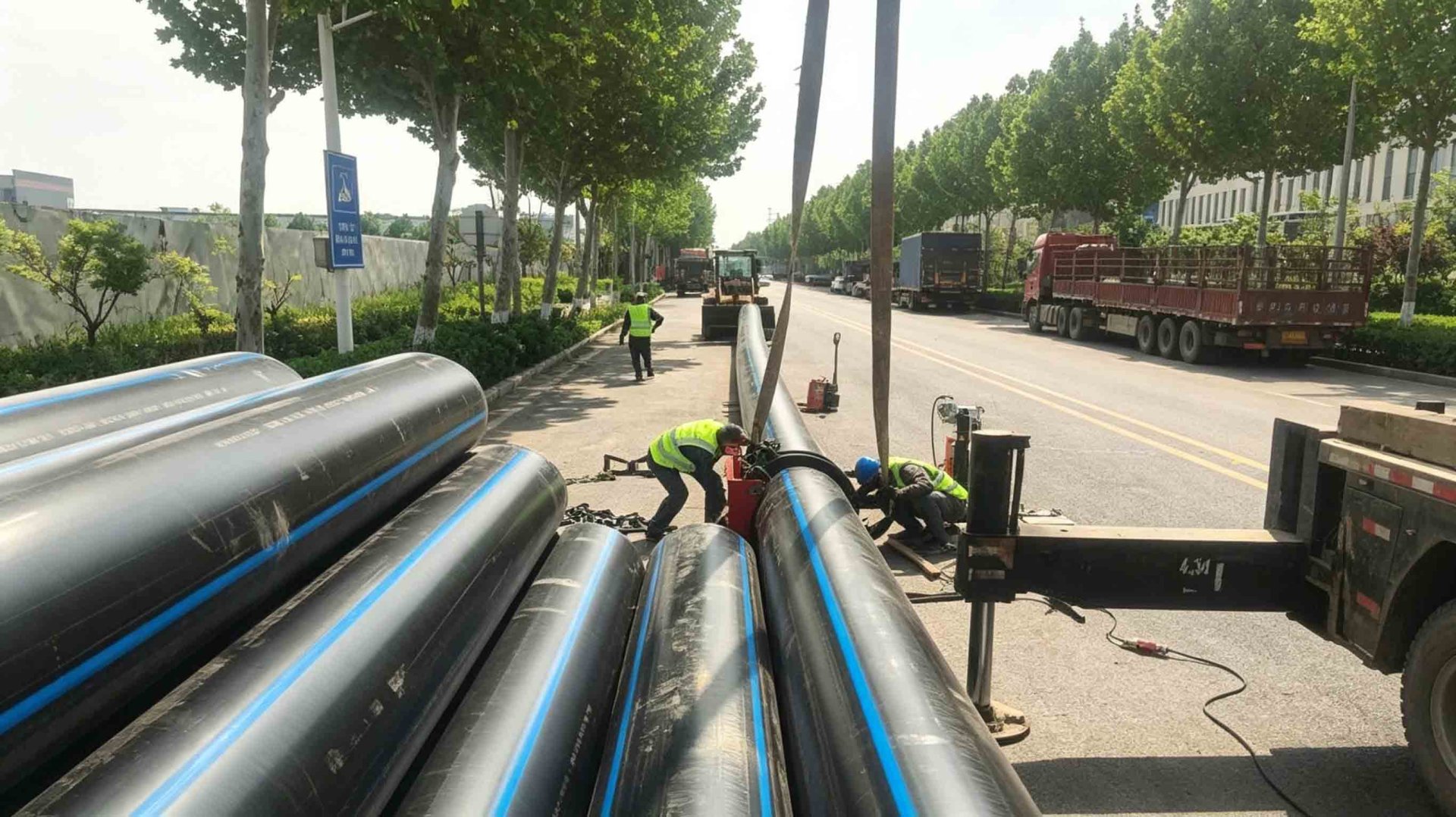
HDPE pipes aren’t just a product—they’re a long-term investment in reliability, cost savings, and sustainability. Whether you’re bidding on a municipal water project, expanding farm irrigation, or upgrading gas networks, our HDPE solutions deliver performance that stands the test of time.
Contact our export team today for a custom quote, product samples, or technical datasheets tailored to your region and project needs.
No.1 Haodeboer Road, Qingdao, Shandong, China
Please fill in your information and let us get in touch with you.


 English
 Русский
 简体中文
简体中文
 Français
 Español
 عربي
عربي
 Prancis
